
Pranava Meditation
Pranava Meditation represents a conscious inward journey to awaken quiet presence, align subtle prana, and experience profound mental stillness under the direct guidance of Amit Rattan.
These sessions are available as personalized private guidance in Gurugram, Delhi NCR and live interactive dhyan courses for seekers globally.
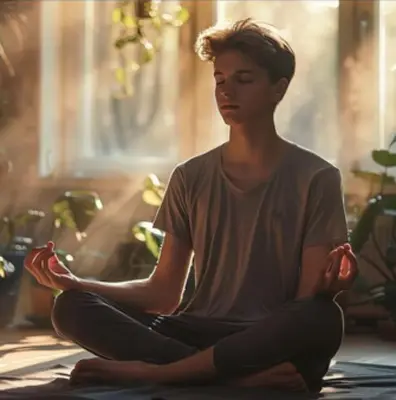
The Tradition of Dhyana & Stillness
The Vibration of Pranava (AUM)
Ancient Rishis revered Pranava as the cosmic bridge connecting individual consciousness to supreme awareness, and meditation on this sacred sound is traditionally associated with harmony across mind and body.
Continuous awareness of the subtle AUM vibration can support deeper concentration and prepare the seeker for a more inward meditative experience.
Maharishi Patanjali Yoga Sutra (3.2 & 1.2)
Vedic tradition describes meditation through Maharishi Patanjali’s sacred verses: "तत्र प्रत्ययैकतानता ध्यानम्" (Tatra Pratyaya-Ekatānatā Dhyānam - Vibhuti Pada 3.2), representing the continuous, uninterrupted flow of awareness toward inner stillness.
Through "योगश्चित्तवृत्तिनिरोधः" (Yogas Chitta Vritti Nirodhah - Samadhi Pada 1.2), the practice of yoga is described in terms of quieting and stabilizing the fluctuations of the mind.
Key Benefits of Pranava Meditation
Mental Clarity
It can help quiet overthinking, support focus, and cultivate greater mental steadiness.
Energy Balance
Traditional practice works with awareness of subtle nadis and chakra centers while cultivating a more balanced experience of prana.
Emotional Stability
Regular meditation can support inner calm, emotional awareness, and a more peaceful relationship with thoughts and feelings.
Spiritual Awakening
The practice can deepen self-awareness, intuitive observation, and connection with one's inner spiritual journey.
The Essential Value of Guru Guidance
Authentic spiritual progression can benefit from structured awareness, grounded practice, and guidance rooted in traditional wisdom.
Structured Energetic Progression
Practicing under systematic supervision can help ensure that breathwork and meditation techniques are approached according to an individual's energetic capacity and experience.
The Role of a Realized Teacher
An experienced Master like Amit Rattan provides structured guidance and personal support as students develop greater awareness through meditation practice.
How to Prepare for Pranava Practice
Before Meditation
Proper preparation creates a comfortable environment for meditation and inner stillness.
- Sacred Space: Choose a quiet, clean, well-ventilated corner.
- Light Body: Allow around 2–3 hours after meals prior to practice.
- Posture: Sit erect with the spine comfortable and shoulders relaxed.
- Quiet Presence: Keep phones and external distractions away.
During Meditation
Shift from continuous doing toward quiet observation and witness consciousness.
- Natural Breath: Observe incoming and outgoing breath softly.
- Gentle Observation: Allow thoughts to arise and pass without force.
- Pranava Sound: Anchor awareness on inner silence or AUM.
- Patience: Allow your practice to unfold with gentle presence.
After Meditation
Allow the transition from meditation back into daily activity to remain gradual and grounded.
- Gentle Transition: Rub palms softly before opening the eyes.
- Grounding: Sit silently for 2–3 minutes before moving.
- Hydration: Sip water after practice as needed.
- Living Peace: Carry the quality of inner calm into daily life.
Practicing with Awareness & Grounding
Meditation can involve deep psychological and contemplative experiences. A gradual approach, appropriate grounding, and awareness of one's own responses can support a steady practice.
Personalized guidance can help practitioners choose practices that are appropriate for their experience, circumstances, and spiritual goals.
Join Our Live Guided Meditation Course
Experience Pranava Meditation guided live by Amit Rattan on Zoom. Learn structured practices, ask personal questions, and receive direct guidance throughout your meditation journey.